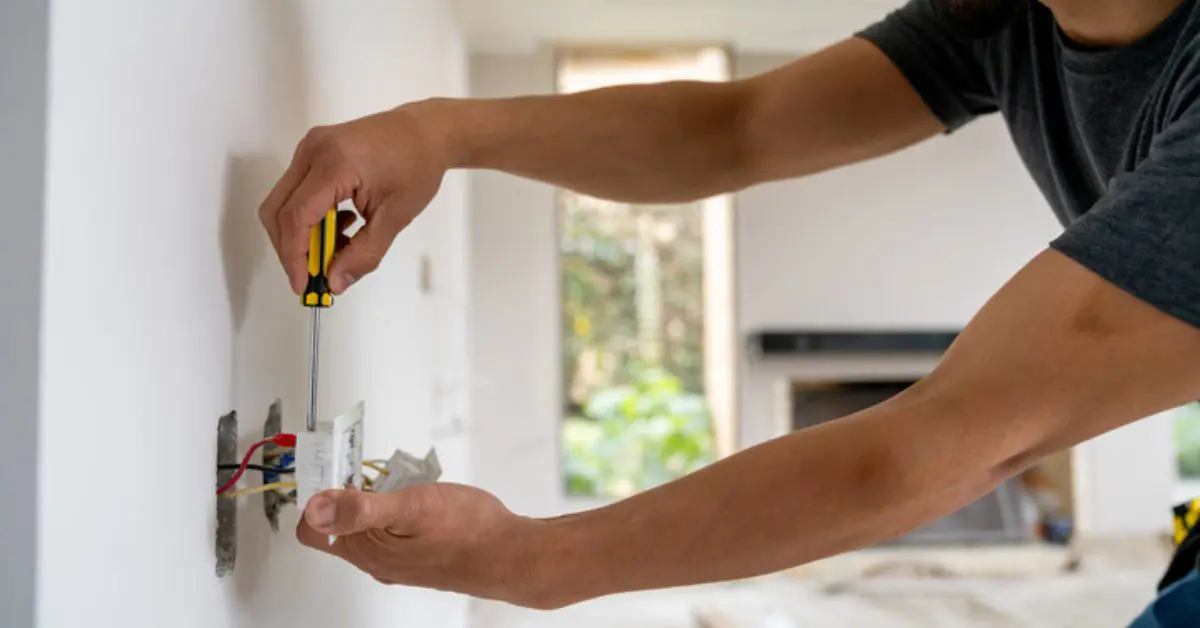
When it comes to your home or business, not all electrical outlets are created equal. Understanding the different types of outlets can help you make safer, more intelligent decisions when powering your devices. If you’ve ever wondered why some outlets look different or why certain appliances require special plugs, this guide is here to explain it all in simple terms.
Need help with electrical issues? Contact Airmasters AC, Heat, Plumbing & Electrical today online or call (817) 612-6458 for professional assistance. Prompt action can help prevent minor problems from becoming major headaches.
Standard Outlets (120-Volt)
Most homes and small businesses in Cleburne use 120-volt outlets, also called standard outlets. These are the rectangular outlets you see in almost every room.
- Purpose: Power everyday electronics like lamps, TVs, and phone chargers.
- Features: Usually have two vertical slots and a round grounding hole.
- Tip: Always avoid overloading these outlets with multiple high-power devices at once.
GFCI Outlets (Ground Fault Circuit Interrupter)
GFCI outlets are designed for areas where water and electricity might meet, such as kitchens, bathrooms, and outdoor spaces.
- Purpose: Protects you from electrical shocks if water contacts the outlet.
- Features: Includes “test” and “reset” buttons.
- Tip: Test your GFCI outlets monthly to ensure they are functioning correctly.
AFCI Outlets (Arc Fault Circuit Interrupter)
AFCI outlets are focused on fire prevention. They detect electrical arcs—tiny sparks in wiring that could lead to fires.
- Purpose: Protects against electrical fires caused by faulty wiring or damaged cords.
- Features: Often found in bedrooms and living areas.
- Tip: Consider upgrading older outlets to AFCI if your home is older than 15 years.
240-Volt Outlets
Certain high-powered appliances, such as ovens, dryers, and some air conditioners, require 240-volt outlets.
- Purpose: Provides more power than standard outlets to run heavy-duty appliances safely.
- Features: Often has a different plug shape to prevent accidental connection with lower-voltage outlets.
- Tip: Never plug a 240-volt appliance into a 120-volt outlet—this can cause damage or a fire.
USB & Smart Outlets
Modern homes often include USB or smart outlets, providing extra convenience for charging devices or controlling power remotely.
- Purpose: Charge phones, tablets, or control devices with apps or voice assistants.
- Features: Built-in USB ports or Wi-Fi connectivity.
- Tip: Make sure the outlet can handle the power demands of multiple devices simultaneously.
Safety Tips for All Outlets
- Inspect outlets regularly for cracks or discoloration.
- Avoid using multiple high-wattage devices on one outlet.
- Consider professional electrical inspections if you notice frequent tripping or flickering lights.
Electrical work can be tricky and sometimes dangerous. If you notice any issues or need help upgrading your outlets, Airmasters AC, Heat, Plumbing & Electrical provides reliable electrical repair in Cleburne, TX to ensure your home or business stays safe and functional.
Contact Airmasters AC, Heat, Plumbing & Electrical today at (817) 612-6458 or online to schedule an inspection or repair. Our trained electricians can help you choose the right outlets and keep your home powered safely.